


 WhatsApp
 Telegram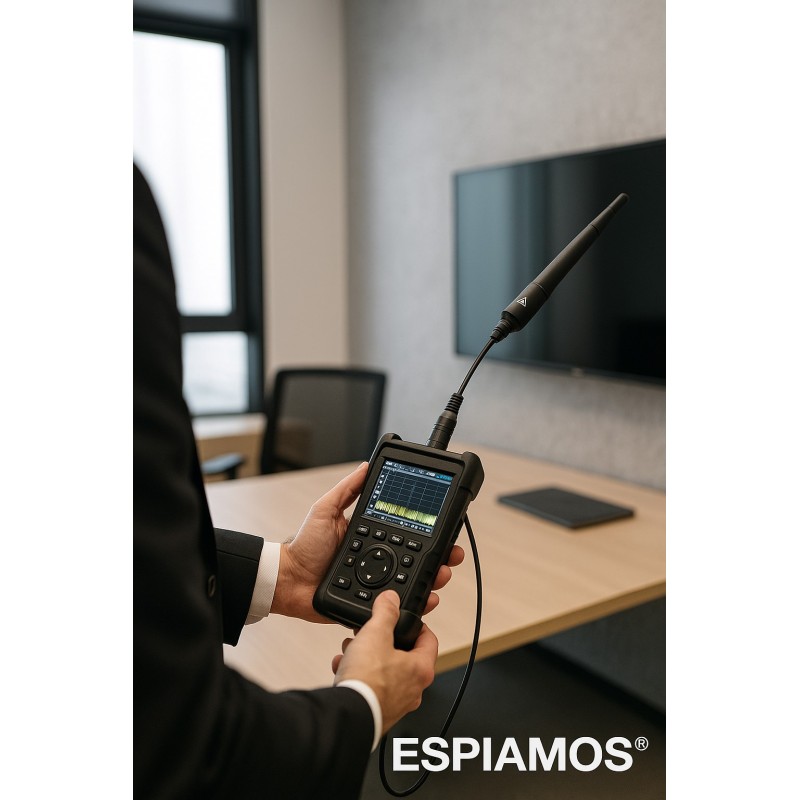
Professional TSCM comprehensive electronic sweeping service for offices, studios, and bedrooms . We detect microphones, hidden cameras, recorders, and transmitters using state-of-the-art equipment. Discreet operations throughout Spain, with no travel fees in Madrid and Galicia. Option for a legally valid TSCM expert report .
 3-Year Warranty: Certified quality on all products
  100% Secure Payment PayPal / Visa / Mastercard
 Free 24h Delivery: Express shipping with DHL, FedEx or UPS
 14-Day Return: No-commitment shopping
Privacy is an essential right, both in personal and professional settings. ESPIAMOS®'s Comprehensive Electronic Surveillance Scanning (TSCM) service for offices and rooms is designed to detect and neutralize any hidden electronic surveillance device, whether microphones, recorders, transmitters, or hidden cameras installed without authorization. This service uses state-of-the-art technology and is performed by certified electronic countermeasures (TSCM) technicians. It is carried out methodically, discreetly, and without damaging furniture or equipment, guaranteeing absolute client confidentiality. Furthermore, there is the option to request a legally valid TSCM Expert Technical Report , prepared by a certified TSCM expert, ideal for use as documentary evidence in cases of corporate espionage, privacy violations, or legal disputes.
A comprehensive TSCM (Technical Surveillance Counter-Measures) electronic sweep involves locating and analyzing any active or passive electronic surveillance device that could compromise the confidentiality of a meeting, conversation, or private environment. This process combines various techniques: radioelectric analysis, optical inspection, thermal detection, electromagnetic scanning, and physical inspection of spaces, allowing for the detection of even the most sophisticated devices.
The estimated intervention time varies depending on the size and complexity of the space:
During the intervention, it is not necessary to interrupt the normal activity of the place, although a quiet environment without extraneous electronic devices is recommended to improve the accuracy of the analysis.
Our technicians use high-precision, calibrated, and certified traceable instrumentation:
The TSCM expert technical report certifies the inspection results, detailing the equipment used, the frequencies analyzed, and the technical conclusions. It is prepared by an accredited expert and is legally valid as documentary evidence. This service is optional and must be requested before the inspection.
The TSCM Comprehensive Electronic Sweep for offices and rooms by ESPIAMOS® guarantees a thorough inspection using cutting-edge technology and highly qualified personnel. Protect your conversations, documents, and confidential information with a discreet, technical, and completely reliable service.
El barrido electrónico integral TSCM es un servicio más completo. No solo busca cámaras ocultas, sino también micrófonos, grabadoras, transmisores inalámbricos y componentes electrónicos ocultos que puedan comprometer la privacidad de una habitación o despacho.
The service allows you to locate a wide range of spy equipment, both active and passive:
Yes. As part of the TSCM protocol, the landline phone, wall jack, and wiring are inspected to ensure there are no microphones, taps, or equipment connected to the telephone circuit. This check is performed safely and without disturbing the installation.
The standard price covers the inspection of a medium-sized room or office . If the inspection involves multiple rooms, meeting rooms, or entire floors, a customized quote will be provided, tailored to the number of spaces and the complexity of the environment.
The average time spent cleaning a room or office is 2 to 4 hours , depending on the size, furniture, and amount of equipment present. Larger spaces or those with complex electronic systems may require additional time.
The service is available throughout Spain. In Madrid and Galicia , the technician's travel is included at no extra cost. In the rest of the country, it is offered on a quoted basis, tailored to the location and the specific needs of the service.
Yes. ESPIAMOS® offers the option of conducting discreet inspections outside of business hours, on weekends, or at night to minimize disruption and guarantee client confidentiality. In this case, the service will incur an additional cost.
If a suspicious device is found, the technician will document it with a photograph. Signal recording and spectral analysis. The equipment will not be handled without the client's authorization. If necessary, a legally valid TSCM Expert Technical Report can be requested.
Only if deemed necessary and always with the client's express authorization . In most cases, the inspection is non-invasive and is carried out without causing damage or leaving marks on walls, furniture, or equipment.
Our technicians use professional instrumentation, including spectrum analyzers, frequency detectors, nonlinear junction detectors (NLJDs) , thermal imaging cameras, optical lens detectors, and high-definition endoscopes. All equipment is calibrated and has certified traceability.
Confidentiality is absolute. All ESPIAMOS® technicians and experts work under indefinite confidentiality agreements . Results, photographs, and records are delivered only to the client or someone they authorize.
Yes. In corporate or administrative environments, ESPIAMOS® offers large-scale TSCM services with phased planning. The budget is tailored to the surface area, number of rooms, and the client's technical requirements.
At the end of the intervention, the client receives a verbal report with the results and specific recommendations for improving the safety of the environment. If an expert report has been commissioned, it is subsequently delivered in digital format (signed PDF).
It is recommended to perform an electronic sweep every six months as a preventive measure, especially in business environments where sensitive information may be compromised.
In addition, an immediate inspection must be carried out in the following cases:
Staff changes or the hiring of new employees.
Suspicions of espionage, information leaks, or unauthorized eavesdropping.
Installation or upgrading of technological equipment and communication systems.
In homes or private spaces , it is enough to carry out a specific check if there is any suspicion of tampering or intrusion.
Professional TSCM comprehensive electronic sweeping service for offices, studios, and bedrooms . We detect microphones, hidden cameras, recorders, and transmitters using state-of-the-art equipment. Discreet operations throughout Spain, with no travel fees in Madrid and Galicia. Option for a legally valid TSCM expert report .